Do You Qualify for SIL? A Complete NDIS Guide
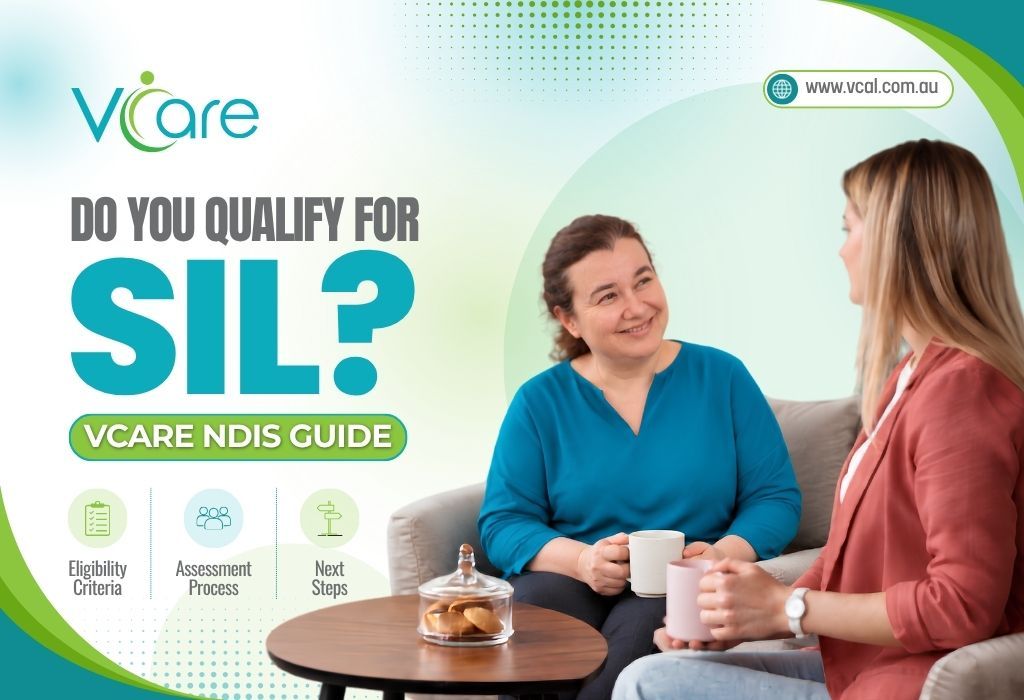
SIL eligibility isn't a simple checklist you tick off. It comes down to your support needs, your living situation and what the NDIA considers reasonable and necessary for your circumstances.
If you've been researching home and living supports under the NDIS, chances are you've come across the term Supported Independent Living, or SIL. It's one of the more talked-about supports in the scheme, but it's also one of the most misunderstood. A lot of participants and families reach out to us at V Care asking the same thing: how do I actually know if I qualify?
This guide walks through what SIL actually covers, the eligibility factors the NDIA weighs up, and what your options look like if SIL isn't the right fit yet.
Quick answer: You may qualify if you meet the NDIS core access requirements (age, residency and a permanent, significant disability) and you need regular, ongoing help with daily tasks, including supervision or support overnight. SIL is generally suited to people who can't safely or comfortably live alone without that level of support, and who have SIL funding built into an approved NDIS plan. If your needs can be met with a few hours of drop-in support a week, SIL likely isn't the right category, and something like in-home support or an Individualised Living Option (ILO) may suit better.
What Is Supported Independent Living (SIL)?
Supported Independent Living is funding for a support worker to help or supervise you with everyday tasks in your home. Depending on your needs, this might mean a worker who checks in a few times a day, or one who's there around the clock. It covers things like personal care, meal preparation, medication support and household tasks, and it's often delivered in shared living arrangements where a support team looks after several participants in the same home.
It's worth being clear on what SIL isn't. It doesn't pay your rent, your groceries or your utility bills, and it's separate from Specialist Disability Accommodation (SDA), which funds the physical home rather than the people supporting you inside it. Some participants have both in their plan, but they're assessed and funded differently.
Basic NDIS Eligibility Requirements
Before SIL is even considered, you need to meet the standard requirements to access the NDIS in the first place. These include:
- Being aged under 65 when you apply (0-64)
- Being an Australian citizen, permanent resident, or holding a Protected Special Category Visa
- Living in an area where the NDIS operates
- Having a disability related to a permanent impairment that affects your ability to take part in everyday activities
Once these boxes are ticked, your planner or local Area Coordinator will start looking at what supports, including SIL, might actually suit your situation and goals. The NDIS website has the full breakdown of
what SIL covers and who it's generally intended for if you'd like to read the source guidelines directly.
What the NDIA Looks for When Assessing SIL Needs
Meeting general NDIS eligibility get's you in the door, but SIL approval is its own separate assessment. The NDIA is trying to understand one thing: can you safely and reasonably manage daily life without this level of support?
Having an NDIS plan doesn't automatically mean SIL will be included in it, and having a diagnosis doesn't automatically mean 24/7 support is the right fit. The NDIA looks at your actual day-to-day reality, weighing up how often you need help, what happens if that help isn't there, and whether family or other informal supports can reasonably fill the gap.
Two people with a similar diagnosis can land in very different places, because SIL eligibility comes down to functional need, not a checklist tied to a condition. it's also not a one-off pass or fail test; the assessment can be revisited if your needs change.
Below are the main factors that tend to carry the most weight.
Frequency and intensity of support
SIL is designed for people who need regular assistance, not occasional help. That might mean support during the day, overnight, or both. if your needs could be met by a support worker popping in for an hour here and there, the NDIA is more likely to point you toward in-home support insted.
Personal care and household tasks
Needing consistent help with things like showering, dressing, cooking or managing medication is a strong indicator that SIL could be appropriate, particularly where family or informal supports aren't enough to fill the gap. This is the kind of day-to-day help covered under Assistance with Daily Personal Care and Activities
Safety and Supervision needs
Where cognitive, behavioural or psychological factors mean you need supervision to stay safe, whether that's overnight or throughout the day, this weighs heavily in the NDIS's assessment.
Goals around independence and skill-building
SIL isn't meant to be a static arrangement. The NDIA also looks at whether it will help you build skills over time, whether that's cooking, budgeting or managing a routine, with the aim of increasing your independence rather than just maintaining the status quo.
Evidence to back it all up
Applications tend to move more smoothly when there's solid supporting documentation behind them; think reports from an occupational therapist or other allied health professional, and a clear picture of your day-to-day support needs. Vague or
inconsistent information is one of the more common reasons SIL requests stall or get sent back for more evidence.
How the Assessment Process Works
Once you and your support coordinator agree that SIL might be worth pursuing, the process generally looks like this:
- Discuss your goals and needs with your NDIA planner or local Area Coordinator during a plan meeting or review.
- Gather supporting evidence, including functional assesments and reports that show why your current living situation isn't sufficient without added support.
- Have SIL included in your plan, assuming the NDIA agrees it's reasonable and necessary for your circumstances.
- Work with a support coordinator to find a provider and set up the practical side of things, including a roster of care that matches your support hours to your actual needs.
This can take some time, particularly if extra evidence is requested, so it helps top start the conversation early rather than waiting untill a crisis point.
What If You Don't Qualify for SIL Right Now?
Not qualifying for SIL doesn't mean you're left without support, and it doesn't necessarily mean your situation won't change down the track. Some other options worth discussing with your planner include:
- Drop-in support, where a worker visits at set times to help with specific tasks
- Individualised Living Options (ILO), which offer more flexible, tailored arrangements
- Core supports for daily Living, covering personal care and household assistance without needing a full SIL approval
- Capacity-building supports, focused on developing the skills that might make you eligible for greater independence, or for SIL, later on Plans get reviewed regularly, so if your needs shift, its worth raising SIL again at your next check-in
Common SIL Myths, Cleared Up
"SIL means you have to live in a group home." Not necessarily. SIL can support shared living, but it can also fund one-on-one support for someone living alone, depending on what's been approved in your plan.
"You need a specific diagnosis to get SIL." The NDIA focuses on functional impact rather than a particular diagnosis. What matters is how your disability affects your day-to-day life, not the label attached to it.
"SIL and SDA are the same thing." They're not. SDA funds the building itself; SIL funds the people supporting you inside it. Plenty of participants only need one or the other.
"Once you have SIL, that's it forever." Support needs change, and so can your SIL arrangement. Plans are reviewed periodically, and your hours or support model can be adjusted as your circumstances shift.
Conclusion
Whether you qualify for SIL depends on your support needs, your living situation and the evidence you bring to the table, not a single yes-or-no test. if you're unsure where you stand, the best next step is a conversation with your support coordinator or planner, backed by clear documentation of what your day-to-day support actually looks like.
At VCare, we work with participants across Newcastle, Maitland, Lake Macquarie, the Hunter Valley and the central Coast to figure out whether fits their goals, and to help pull together the evidence and paperwork that gives an application the best chance of success.
If you're weighing up whether SIL is right for you or a family member, our team can talk you through your options in plain language, no jargon required. As a Registered NDIS Provider, VCare is here to support you through every step of the process.
Get in touch with VCare today or refer someone you support to start the conversation about
what independent living could look like
Read Other Blogs